What Is Negative Pressure Wound Therapy (NPWT), and How Does It Improve Wound Healing?
What Is Negative Pressure Wound Therapy (NPWT), and How Does It Improve Wound Healing?
Table of Contents
ToggleQuick Summary:
- Promotes Faster Healing – Uses controlled suction to remove fluid, reduce swelling, and accelerate tissue repair in complex and chronic wounds.
- Improves Blood Flow & Tissue Growth – Enhances circulation and stimulates granulation tissue formation for stronger wound recovery.
- Reduces Infection Risk – Creates a sealed, protected environment that limits bacteria exposure and lowers complications.
- Effective for Hard-to-Heal Wounds – Commonly used for diabetic ulcers, surgical wounds, traumatic injuries, pressure ulcers, and non-healing wounds.
- Provides Better Long-Term Outcomes – Helps wounds close faster, supports cleaner healing, and minimises hospital visits through advanced wound-care technology.
Negative Pressure Wound Therapy (NPWT) is one of the most advanced treatment options used today for complex and chronic wounds. In this blog, we will explain what negative pressure wound therapy is, how it works, why it is so effective, the most common uses, and the important risks and considerations you should know. This will give you a clear understanding of how the therapy supports faster, healthier healing. If you want to explore treatment options, we have included links to our service page and Contact Us page at the end.
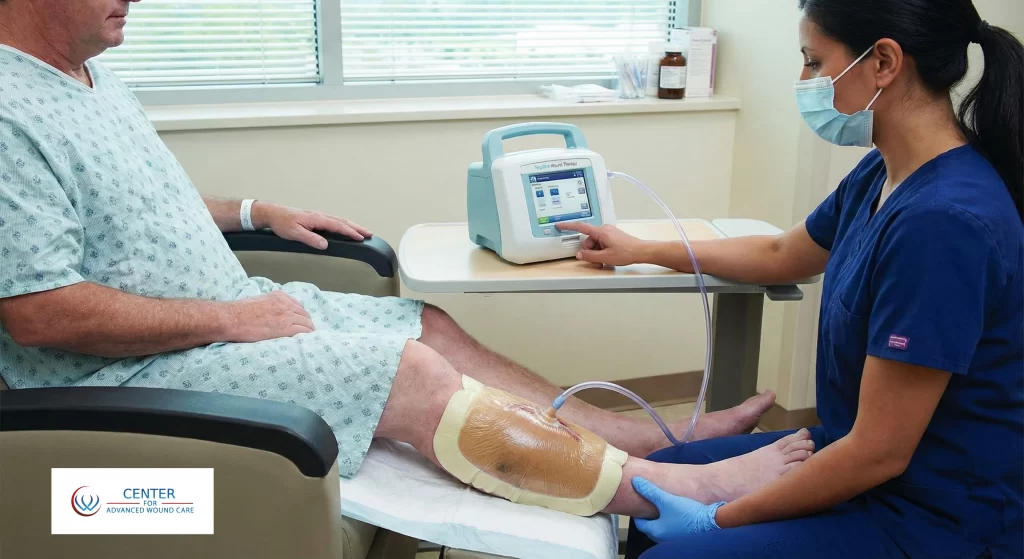
What Is Negative Pressure Wound Therapy?
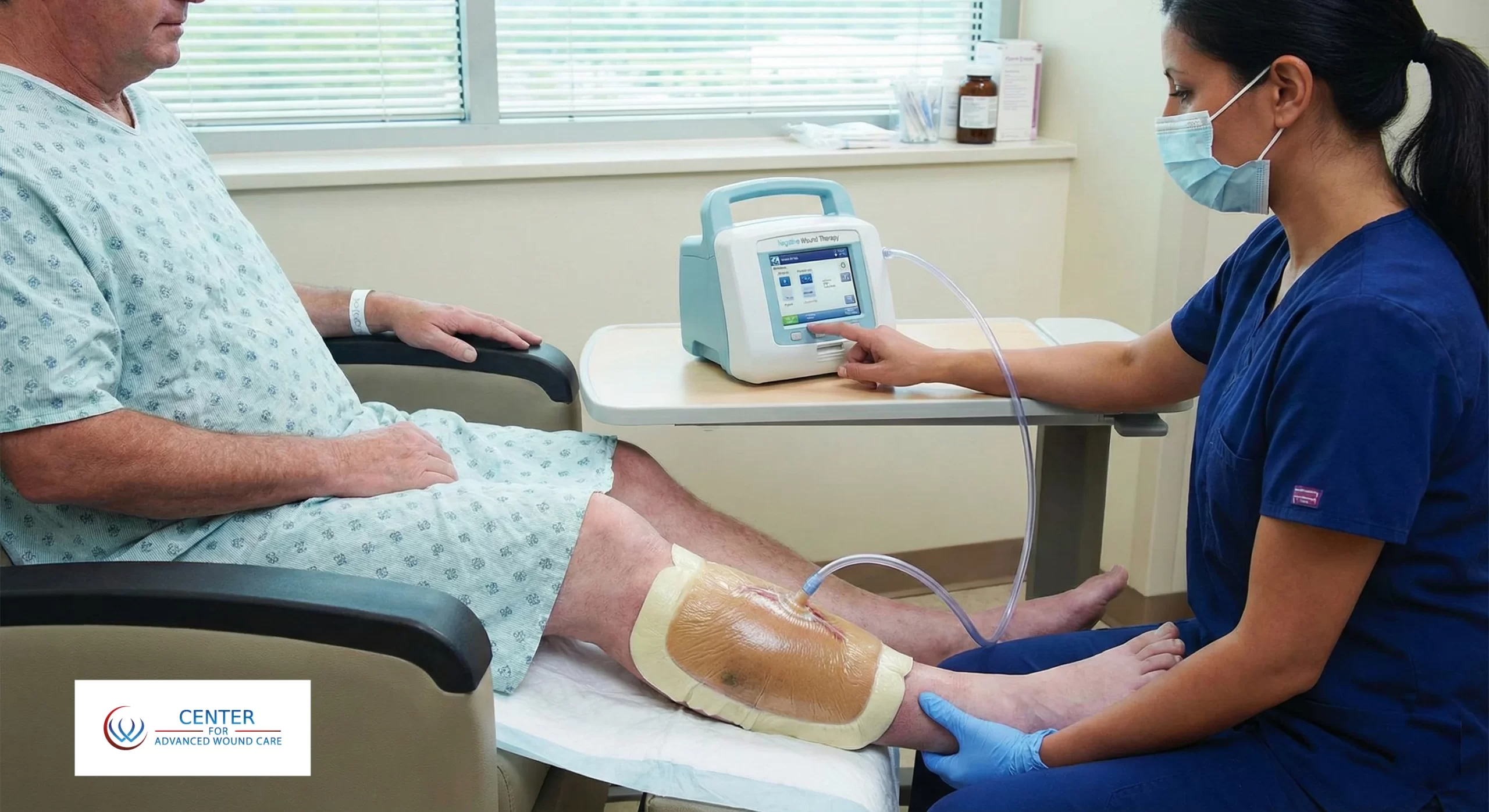
Negative Pressure Wound Therapy (NPWT), often known as wound vac therapy, is a specialised wound-care treatment that uses controlled suction through a sealed dressing to remove excess fluid, reduce swelling, and stimulate faster, healthier healing. The sealed dressing is attached to a small vacuum pump that creates gentle negative pressure, which pulls the wound edges together, increases blood flow, encourages granulation tissue (new tissue) formation, and maintains a moist, stable environment ideal for healing. Because of these combined benefits, it is widely used for complex or chronic wounds, including diabetic ulcers and post-surgical recovery.
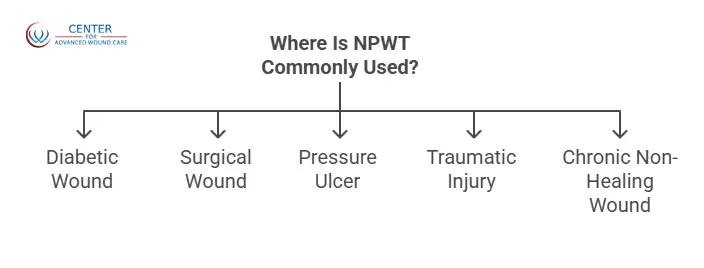
Its ability to create an ideal healing environment makes it one of the most trusted treatments in advanced wound care.
How Does NPWT Work?
Understanding how NPWT works helps patients feel more confident and informed. The treatment may seem complex, but the science behind it is straightforward, effective, and well-studied.
1. Creating a Controlled Healing Environment
A foam or gauze dressing is gently placed inside the wound, then sealed with a transparent adhesive film. This airtight seal allows the vacuum pump to control the pressure applied to the wound surface. The sealed environment protects the wound from contamination, airborne bacteria, and moisture imbalance.
2. Applying Gentle, Controlled Suction
When the device turns on, it applies a consistent level of suction that works in several important ways at the same time. This controlled pressure removes excess wound fluid called exudate, which can slow healing and increase the risk of infection. It also helps reduce inflammation, decreases bacterial load, and gently draws the edges of the wound inward. Clearing fluid more efficiently than traditional dressings creates a cleaner, healthier environment that supports better recovery.
3. Stimulating New Tissue Growth
One of the most important aspects of this therapy is its ability to trigger cellular activity within the wound. The gentle suction creates micro-deformation, tiny mechanical forces that stretch the wound bed. This stimulation activates fibroblasts, boosts collagen production, and encourages the formation of granulation tissue. Together, these responses build the strong foundation needed for effective healing.
4. Improving Blood Flow
Negative pressure encourages improved circulation around the wound. Better blood flow delivers: exercises, Meditation, or yoga, listening to music, Taking Simple outdoor walks, and Getting Adequate sleep (7–9 hours). Reducing stress helps stabilize blood sugar and improves overall recovery.
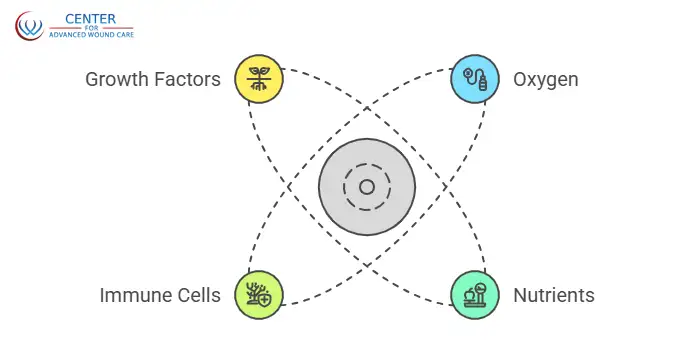
This helps the body naturally repair and rebuild damaged tissue faster.
5. Supporting Moisture Balance
Unlike open-air wounds or basic bandages, this treatment creates a stable, moist environment that has been proven to support faster tissue regeneration. It prevents dryness that slows healing and avoids excess moisture that can lead to bacterial growth. To learn more about how this therapy is used in clinical settings, please visit our service page.
How Does NPWT Improve Wound Healing?
The success of negative pressure wound therapy is not just based on suction; it is based on how the treatment improves every stage of the body’s natural healing process. Here’s why NPWT is considered one of the most effective treatments available:
✔ Accelerates Wound Contraction
It gently pulls the wound edges together, reducing the size of the open area faster than traditional dressings. This leads to quicker closure and less scar tissue formation.
✔ Reduces Risk of Infection
By removing fluid and reducing bacterial levels, this treatment lowers the chance of infection, one of the biggest challenges in managing chronic wounds.
✔ Enhances Tissue Regeneration
The method stimulates the body’s natural healing response. Mechanical forces encourage new tissue growth, helping the wound rebuild from the inside out. This is particularly beneficial for deep wounds or those with tissue loss.
✔ Minimises Swelling and Inflammation
Excess swelling can reduce oxygen supply and delay healing. The therapy helps regulate swelling, allowing the wound to progress more quickly through the stages of repair.
✔ Protects the Wound From External Contamination
Airtight dressings reduce exposure to dirt, bacteria, water, and external irritants. This barrier helps maintain a clean, stable healing environment, especially valuable for patients with weakened immune systems.
✔ Supports Better Long-Term Outcomes
Studies show that the treatment can shorten healing time, reduce hospital stays, and improve surgical outcomes.
Risks and Considerations
Negative pressure wound therapy is safe for most patients, but understanding the risks ensures proper treatment and better outcomes.
1. Skin Irritation
Some patients experience redness or irritation around the adhesive film. This can usually be managed with protective barrier products.
2. Discomfort During Dressing Changes
Because the dressing sits inside the wound, changes may cause temporary discomfort. Skilled specialists use techniques to minimise pain.
3. Bleeding Risk
Patients with exposed blood vessels, active bleeding, or those on blood thinners may require special evaluation before treatment.
4. Not Suitable for All Wound Types
NPWT may not be recommended for certain wound types, including untreated bone infections, wounds containing thick or non-viable dead tissue, cancerous tissue within the wound area, and wounds that are excessively dry without enough moisture to support healing. Because every wound is unique, a specialist will carefully evaluate these factors and determine whether NPWT is appropriate on a case-by-case basis.
5. Equipment Misuse
Devices must be used correctly to avoid complications, which is why professional supervision is essential.
Conclusion: NPWT Is a Powerful Tool for Modern Wound Healing
Now that you understand what negative pressure wound therapy is, how it works, why it is effective, and the most common uses and risks, you can make informed decisions about your wound care journey. This treatment has transformed healing outcomes for many patients, especially those with chronic or hard-to-heal wounds.
If you’re exploring negative pressure wound therapy or would like guidance from a wound care specialist, the team at Centre for Advanced Wound Care is here to support you.
Frequently Asked Questions
1. What is Negative Pressure Wound Therapy, and how does it work?
Negative Pressure Wound Therapy uses gentle suction through a sealed dressing to remove excess fluid, draw wound edges together, improve blood flow, and stimulate new tissue growth.
2. What types of wounds benefit the most from this therapy?
It is commonly used for diabetic foot ulcers, surgical wounds, traumatic injuries, pressure ulcers, and chronic wounds that are slow to heal.
3. How does NPWT speed up the healing process?
The suction removes fluid and bacteria, reduces swelling, increases circulation, and promotes granulation tissue, leading to faster wound closure.
4. Does NPWT help reduce infection?
Yes. By removing fluids that harbour bacteria and keeping the wound sealed, the therapy significantly lowers infection risks.
5. Is the treatment painful?
Most patients feel only mild pressure or vibration. Some discomfort may occur during dressing changes, but wound care specialists minimise pain as much as possible.
6. How long does a person usually stay on NPWT?
Duration varies by wound size and condition, but many patients begin seeing improvement within 2–4 weeks of therapy.
7. Can this therapy be used at home?
Yes, many modern devices are portable and designed for home use under medical supervision.
8. Are there any side effects to be aware of?
Possible side effects include skin irritation, temporary discomfort, or bleeding in high-risk cases. A clinical evaluation determines safety.
9. Who should not use Negative Pressure Wound Therapy?
It may not be suitable for wounds with untreated bone infections, dead tissue, cancerous tissue in the wound area, or very dry wounds without moisture.
10. Why do doctors choose NPWT over traditional wound dressings?
The therapy provides faster healing, better moisture control, improved blood flow, reduced infection rates, and more consistent outcomes compared to standard bandages.